Recommended Resources for Children, Parents & Families
-
Over the years, I have been asked countless times by parents, carers, teachers and fellow professionals for recommendations on books, games, sensory tools and resources that can help children navigate big emotions, anxiety, neurodiversity, trauma, confidence and everyday challenges.
This page brings together some of my favourite resources that I regularly recommend in my work with children and families. Each item has been chosen because I have either used it myself, recommended it successfully to families, or believe it offers genuine value in supporting children's emotional wellbeing and development.
Every child is unique, and no single resource is right for everyone. My hope is that this collection provides you with ideas, inspiration and practical tools that can support connection, understanding and emotional growth within your family.
-
As an Amazon Associate I earn from qualifying purchases. This means I may receive a small commission if you choose to buy through the links on this page, at no additional cost to you. I only recommend products and resources that align with my professional values and that I genuinely believe may be helpful.
For Creativity
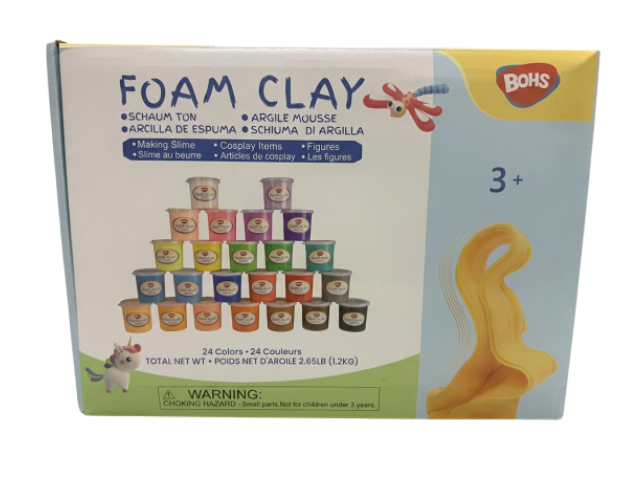
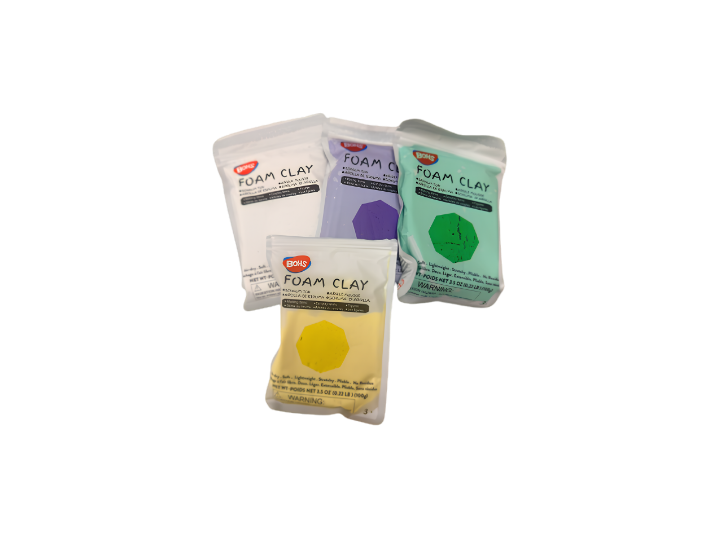
BOHS Foam Clay
Why I love this Product: Bohs Foam Clay is one of my favourite resources in the therapy room because it allows children to express thoughts and feelings without needing to find the right words. Its soft, lightweight texture is easy to mould and doesn't dry out as quickly as many other brands, making it ideal for children who like to explore at their own pace. I also love the wide range of vibrant colours, which encourages creativity and imaginative play. The sensory experience of squeezing, rolling and shaping the clay can be incredibly calming and regulating, helping children feel more grounded and connected. Best of all, there is no right or wrong way to use it, giving children the freedom to explore, create and build confidence through play.

For Sensory
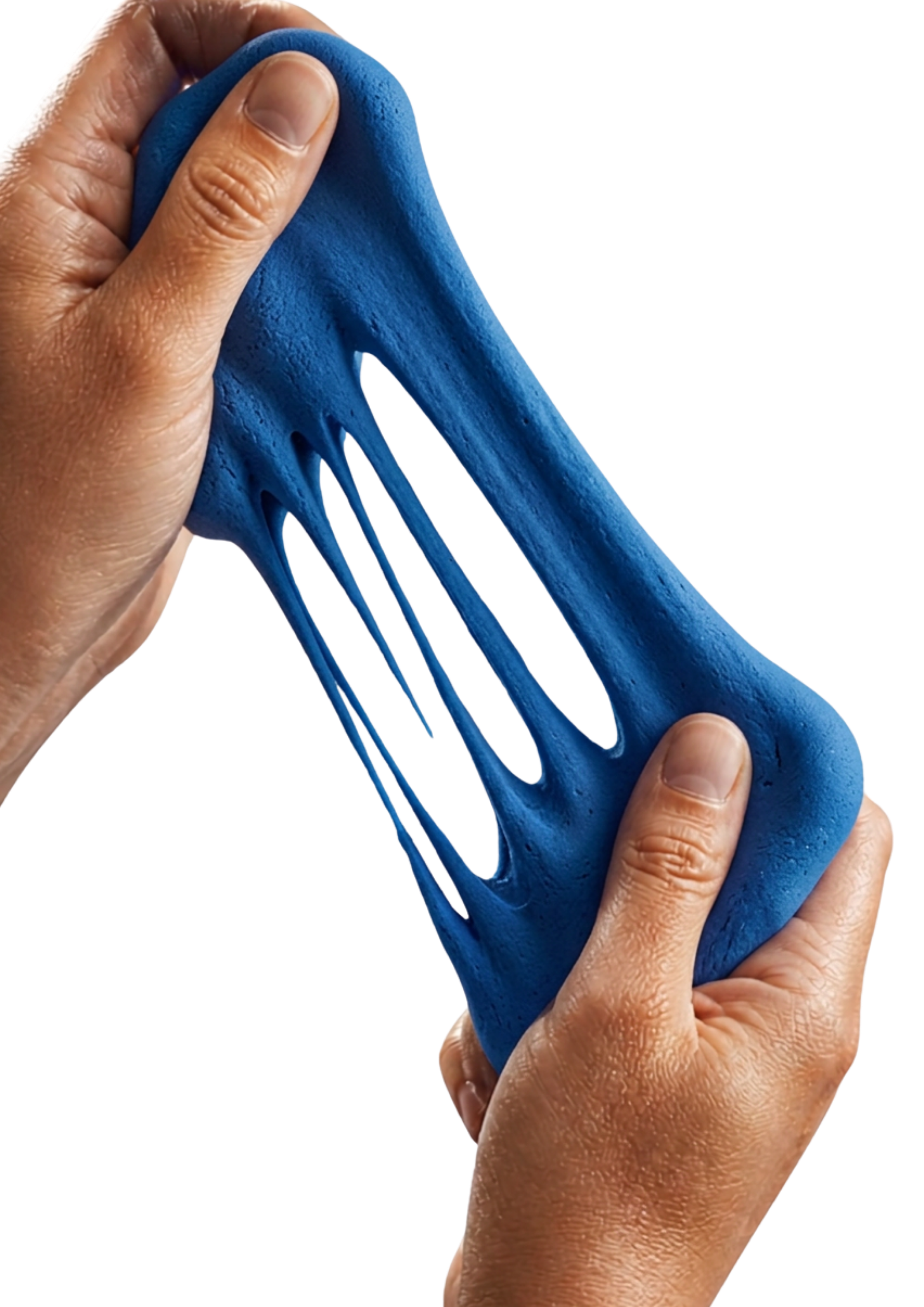
Therapy Putty
Why l love this: Therapy putty is a wonderfully versatile sensory resource that I use to help children regulate their emotions, improve focus and strengthen their hands and fingers. The resistance of the putty provides calming sensory feedback, making it particularly helpful for children who feel anxious, restless or overwhelmed. It can also be used to develop fine motor skills through fun activities such as stretching, squeezing, pinching and hiding small objects inside for children to find. It's a simple but incredibly effective tool that supports both emotional regulation and hand strength through play.
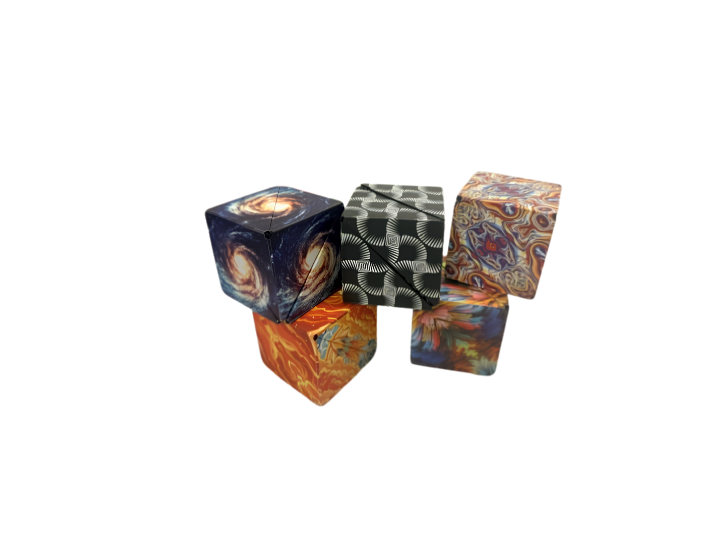
Magic Cubes
Why I love these: Magic cubes are one of my favourite resources because they encourage creativity, problem-solving and flexible thinking through play. Children can build, take apart and rebuild endless creations, giving them the freedom to experiment without worrying about getting it "right". I love how they naturally promote fine motor skills, planning and perseverance, while also providing opportunities for collaboration, communication and imaginative play. They're a brilliant open-ended resource that grows with a child's confidence and creativity.
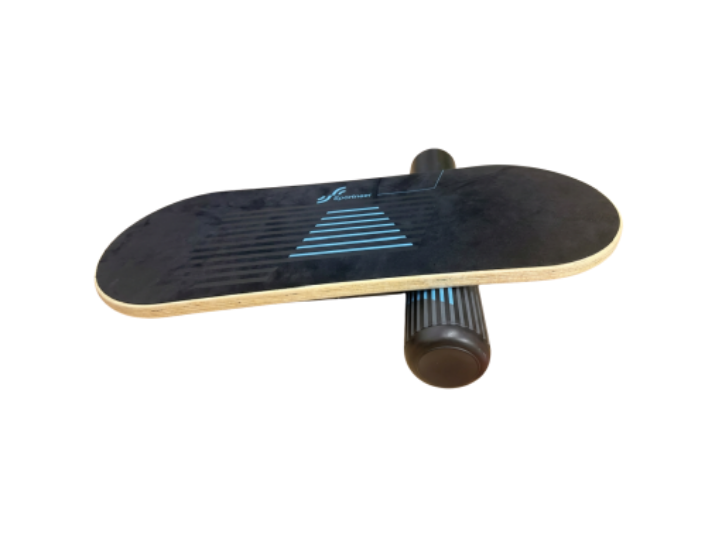
Balance Board
Why I love this: A balance board is a fantastic way to support a child's developing balance, coordination and body awareness while making movement fun. Gentle rocking and balancing stimulate the vestibular system, which plays an important role in attention, emotional regulation and motor development. For many neurodivergent children, including those with ADHD, autism or sensory processing differences, this type of movement can provide calming sensory input, helping them feel more organised, focused and connected to their bodies. I love using balance boards because they encourage movement, build core strength and improve concentration, all while supporting emotional regulation. Whether used for active play, mindful movement or as a calming strategy between activities, a balance board is a simple but incredibly versatile resource that supports both physical and emotional wellbeing.